


Recently, EEUTs from The Pylon Club visited Tong-in Korean Medicine Clinic.
Many people experienced the chuna(추나) therapy that I performed, and expressed their satisfaction. 😎
Do you sometimes feel shoulder pain?
Have you ever felt a 'clunking' or catching sensation in your shoulder when drying your hair or changing clothes?
If these symptoms persist, it's likely more than just muscle tension - there could be an issue with your shoulder joint or surrounding structures.
In such cases, consider Chuna therapy at a Korean medicine clinic.
What is Chuna Therapy?
Chuna therapy is a manual treatment performed directly by Korean medicine doctors, and it's an official Korean medicine treatment covered by health insurance.
'Chuna (추나, 推拿)' uses the Chinese characters for "push (추, 推)" and "pull (나, 拿)", meaning to push and pull.
It's a manual therapy that uses gentle manipulation to correct alignment and alleviate pain.
📌 Chuna Therapy: Correcting Balance and Structure
Chuna therapy is different from simple massage or standard manual therapy.
It's a treatment performed directly by Korean medicine doctors, combining concepts from Western chiropractic and Chinese Tuina with a Korean medicine perspective.
The core is to correct overall balance and structure while considering issues in joints, bones, muscles, ligaments, and the nervous system simultaneously.
It analyzes the cause of pain and restores function by manual adjustment in cases of:
-
Spinal misalignment
-
Pelvic asymmetry
-
Raised shoulders
-
Temporomandibular joint (TMJ) misalignment
📌 If you're paying for health insurance, it's covered!
Chuna therapy is officially covered by health insurance as a Korean medicine treatment.
So, suppose you're residing in Korea and paying for health insurance.
In that case, you can receive it at a lower cost with insurance coverage.
-
Chuna therapy can be covered by health insurance as part of general treatment - up to 20 sessions per year
-
Car accident patients can receive Chuna therapy at Korean medicine clinics under car insurance coverage - up to 20 sessions per accident, separate from health insurance
This also means that the state has recognized the therapeutic effects and safety of Chuna therapy.
Chuna Therapy is Not Just "Bone Setting" 🦴
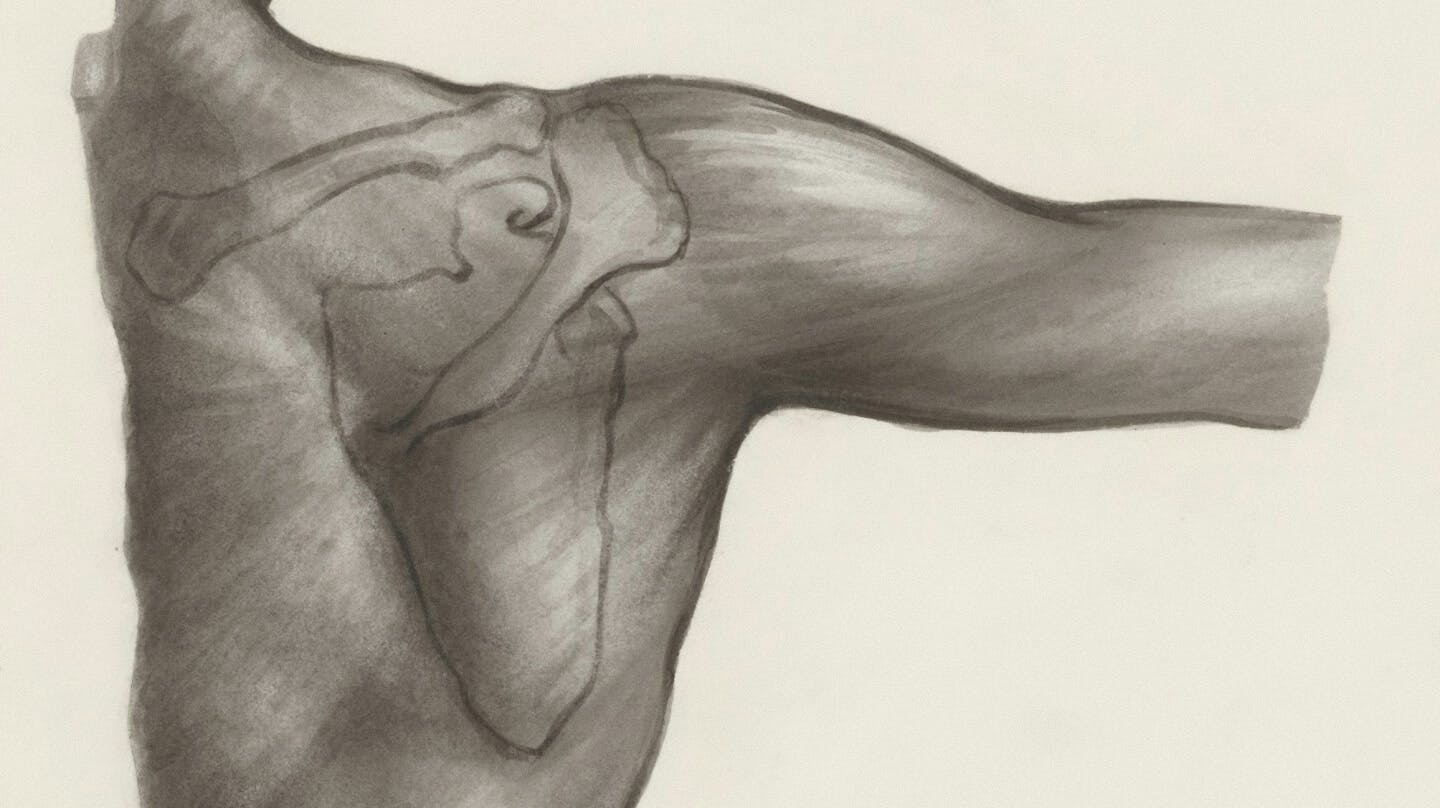
Many people think of 'bone cracking sounds 🦴' when they hear about chuna therapy, but that's only part of the treatment.
First, "Soft Tissue Chuna" is performed to gently loosen tense muscles and restore range of motion.
Then, if necessary, "Joint Chuna" is combined to adjust joints to their proper position with a little additional force.
A cracking sound may occur at this time, which helps relieve pain by stimulating deep muscles.
Please note, not hearing the cracking sound doesn’t mean the therapy isn’t effective — every treatment works differently! 😉
📌 Holistic Chuna Therapy for Shoulder Conditions
In reality, shoulder movement is closely connected to the cervical spine (neck) and thoracic spine (upper back).
It moves in conjunction with various muscles including the rotator cuff (supraspinatus, infraspinatus, teres minor, subscapularis), the pectoralis minor located in the front of the chest, and the scalene and sternocleidomastoid (SCM) muscles.
Therefore, to properly treat the cause of shoulder pain, you shouldn't just treat the shoulder locally.
Especially if you have rounded shoulders, there's a high chance you also have a turtle neck or straight neck, which should be corrected together with chuna therapy to relieve pain and prevent recurrence.
See Also: "Am I a Turtle? Understanding Tech Neck Syndrome Symptoms"
📌 Combine Chuna Therapy with Other Korean Medicine Treatments!
For example, in cases of frozen shoulder (adhesive capsulitis), chuna therapy alone may not be sufficient.
Combining various Korean medicine treatments such as acupuncture, pharmacopuncture, thread-embedding therapy, and others is necessary for faster and more definitive improvement.
Also, in cases where long-term digestive issues have led to an accumulation of waste in the body, what's known in Korean medicine as 'phlegm (dampness phlegm)' that stays in the body for a long time can be a cause of shoulder pain.
In such cases, herbal medicine treatment might be a more fundamental solution than Chuna.
📌 Starting with Simple Exercises in Daily Life
Are you afraid of Chuna therapy? If so, it's good to start with simple shoulder exercises.
-
Stand straight with the backs of your hands facing each other.
-
Inhale and slowly raise your hands upward.
-
Exhale and spread your arms as wide as possible while lowering them.
-
Return to the starting position.
Try doing this exercise 10 times in one set, 100 times a day.
It greatly helps in gently relaxing the shoulder and back muscles that you don't usually use.
*
Shoulder pain may not be life-threatening, but it causes continuous discomfort and stress in daily life, both in major and minor ways.
So please don't neglect the pain, and try to manage it more systematically through Korean medical approaches, including Chuna therapy. 😉


