


Every year, October 25th is celebrated as Dokdo Day, a designation made by civic organizations and widely recognized throughout Korea.
Dokdo is made up of two small volcanic islands at Korea's easternmost tip. It's a symbol of Korean sovereignty, a home for rare wildlife, and holds centuries of Korean history.
Why has this tiny island become 'a place every Korean knows'?
Today, we'll explore Dokdo - how to visit, and the special ecosystem of this place, known as 'the birds' hometown.' 🌊
What Makes This Tiny Island So Special to Korea?
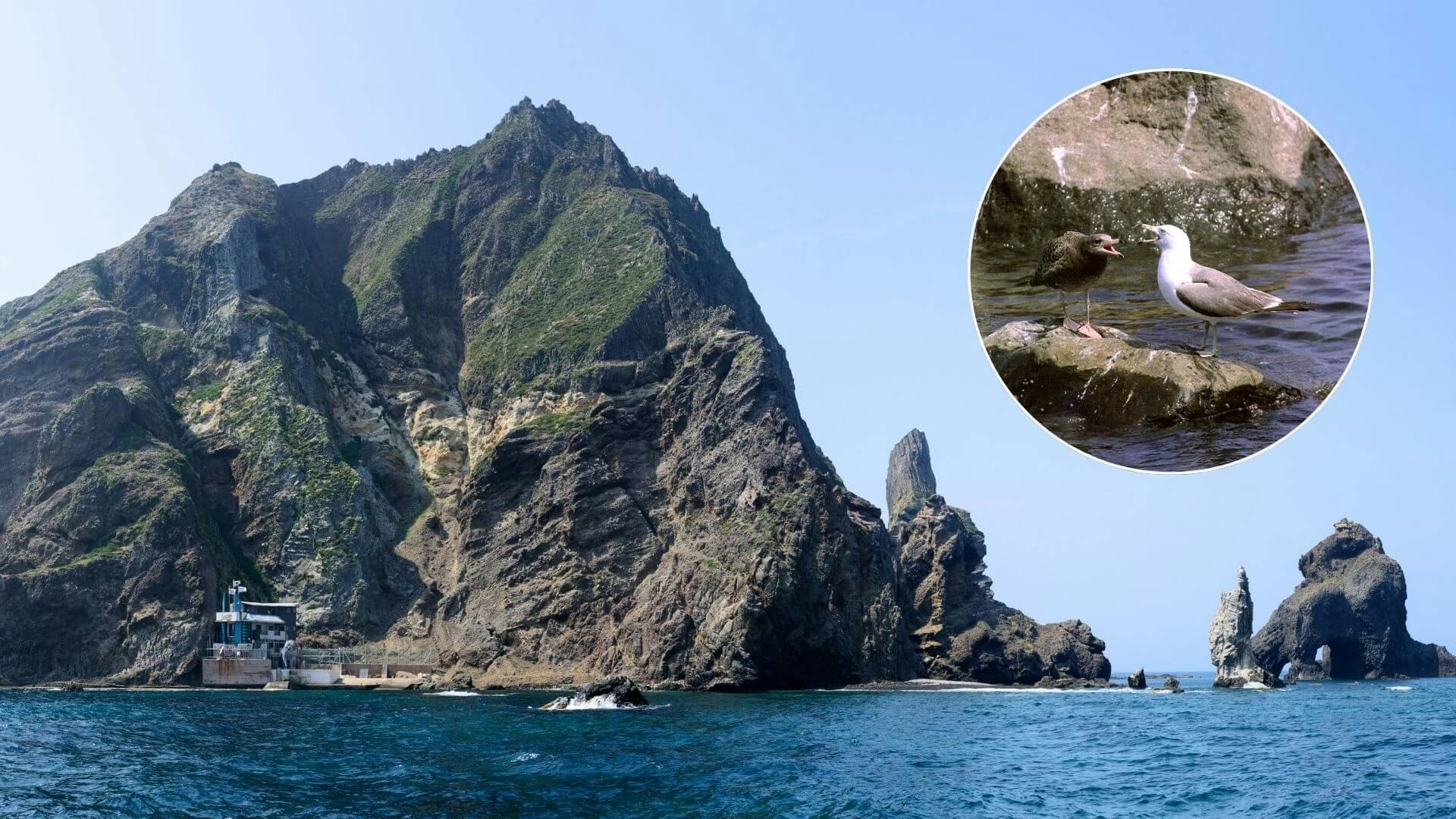
Dokdo consists of two primary rocky islands - Dong-do (East Island) and Seo-do (West Island) - plus 89 surrounding smaller rocks. People began inhabiting the area around the 3rd century, and currently, 53 people reside on.
Dokdo's name originates from 'Dol-seom' (Stone Island), a term that has evolved through the Gyeongsang Province dialect. It's also called 'the birds' hometown' due to its abundant natural environment.
🏝️ Dokdo's Ancient History: Part of Korea Since AD 512
According to historical records, Dokdo has been recognized as Korean territory since the Silla Dynasty (AD 512), when it was managed as part of the State of Usan. Throughout the Korean Peninsula's long history, it has appeared in various records, sharing this fate.
After Korea's liberation from Japanese colonial rule in 1945, Dokdo was returned to Korean territory. The Republic of Korea exercises firm sovereignty over this island through its official position. 😎
-
Dokdo, the easternmost island in East Sea, is an integral part of Korean territory historically, geographically, and under international law.
-
No territorial dispute exists regarding Dokdo, and Dokdo is not a matter to be dealt with through diplomatic negotiations or judicial settlement.
🏝️ Visiting Dokdo: A Matter of Luck and Weather
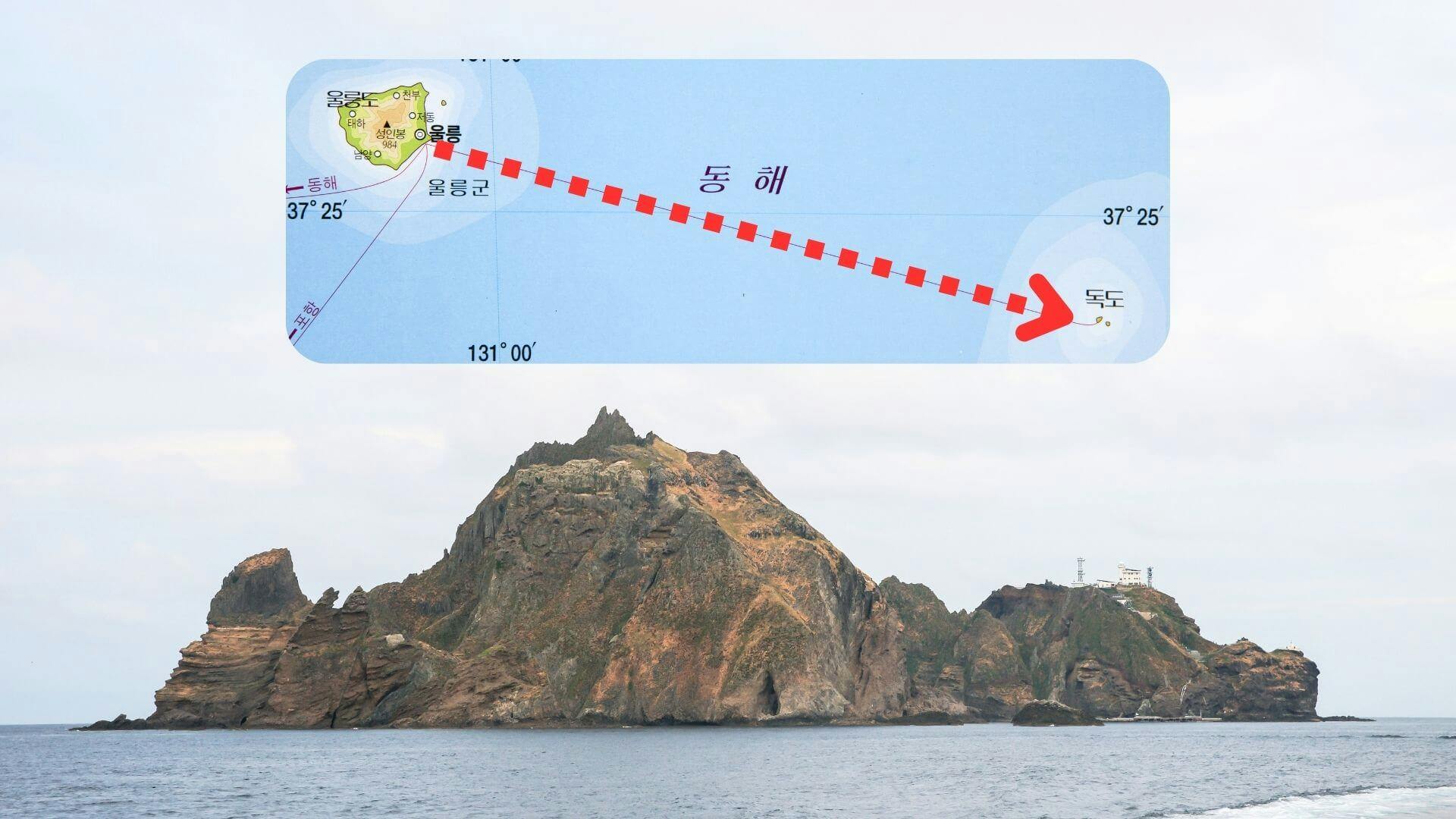
Visiting the mysterious island of Dokdo isn't easy. Due to rough East Sea weather, ferries operate only about 60-70 days annually. Because of this, Korea has a saying: 'It takes three generations of luck to step on Dokdo' - that's how hard it is to visit! 😉
Have you visited Dokdo and actually set foot on that land? You might be quite lucky. 🍀
-
Reach Ulleungdo first: Travel from Seoul to Gangneung or Pohang (5-6 hours by bus), then take a 3-hour ferry to Ulleungdo - the gateway to Dokdo.
-
Check the weather: Dokdo-bound ferries only operate in favorable weather conditions.
-
Book ferry tour: Departs from Ulleungdo's Dodong Port, taking about 1.5-2 hours one way.
-
Landing restrictions: Only about 70 people can land on daily. However, the weather often makes landing difficult, so most visitors only view the island from ferries.
🏝️ Korean Pride: Dokdo
Despite being a remote and easternmost island, Dokdo receives a large number of visitors annually. This is partly to see it's mysterious natural environment, but also because Dokdo is 'special' in Korean hearts.
Korea is a nation that suffered the pain of losing territory when it became a Japanese colony. Although it regained independence after World War II ended in 1945, the pain didn't end there. One ongoing issue is Japan's continued claims that Dokdo is its territory.
The Korean government maintains a firm position that 'No territorial dispute exists regarding Dokdo,' and citizens have conducted various activities to protect Dokdo. In the 2000s, the civic group 'Dokdo Protection Association' conducted signature campaigns to establish Dokdo Day as a national memorial day, widely promoting this day nationwide.
Additionally, Dokdo frequently appears in Korean popular culture, with many Koreans expressing affection and interest in this island. A representative example is the popular song "Dokdo is Our Land," released in the 1980s, which became a major hit. 🎶
A Volcanic Paradise for Wildlife: Dokdo
Dokdo is also designated as Korea's Natural Monument. Before tourism became possible in 2005, only authorized individuals were permitted to enter the area.
Created by volcanic eruptions, Dokdo has great geological value and is a natural treasure trove where special marine life inhabits.
🏝️ Birds' Hometown: Dokdo
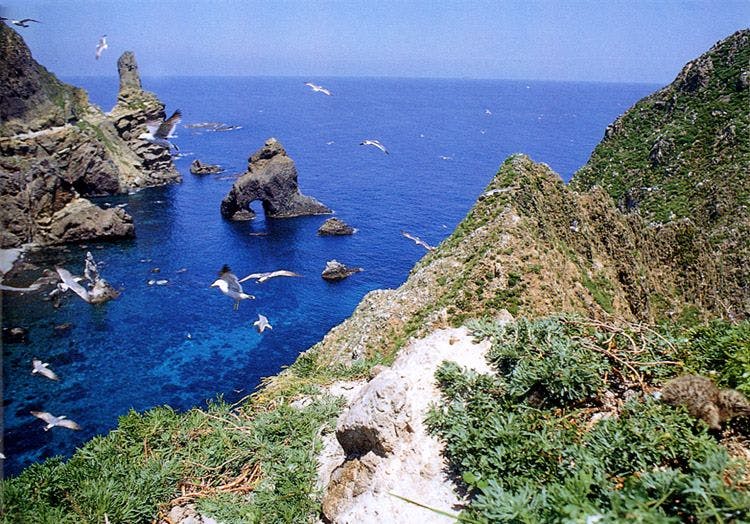
Dokdo is also called 'the birds' hometown.' This is because it's located on migratory bird routes and is the only region along the East Coast where large colonies of storm petrels, streaked shearwaters, and black-tailed gulls breed.
According to 2005-2006 surveys, 126 bird species were observed on Dokdo. Black-tailed gulls were most numerous. Additionally, various Natural Monument species are observed because this is a major rest stop for migratory birds. 🪶
🏝️ The Sad Extinction of Dokdo Native 'Gangchi'
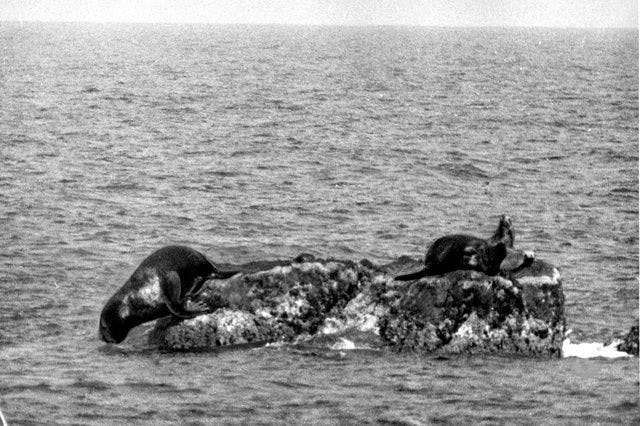
Dokdo has 'Gajebawi' (Sea Lion Rock). This rock got its name because sea lions always gathered there in groups. 'Gaje' refers to sea lions that East Coast fishermen also call 'gangchi.'
Sea lions that once numbered in the tens of thousands around Dokdo are now extinct, without a trace. There's a sad history behind this. During the early 1900s, a period of Japanese colonial rule, the indiscriminate capture of sea lions occurred on Dokdo. Between 1905 and 1913, approximately 14,000 were intensively captured, leading to their extinction. Ultimately, Ganggangchi - Dokdo natives - now remain only as historical records.
🏝️ Dokdo Shrimp Served to Visiting Heads of State
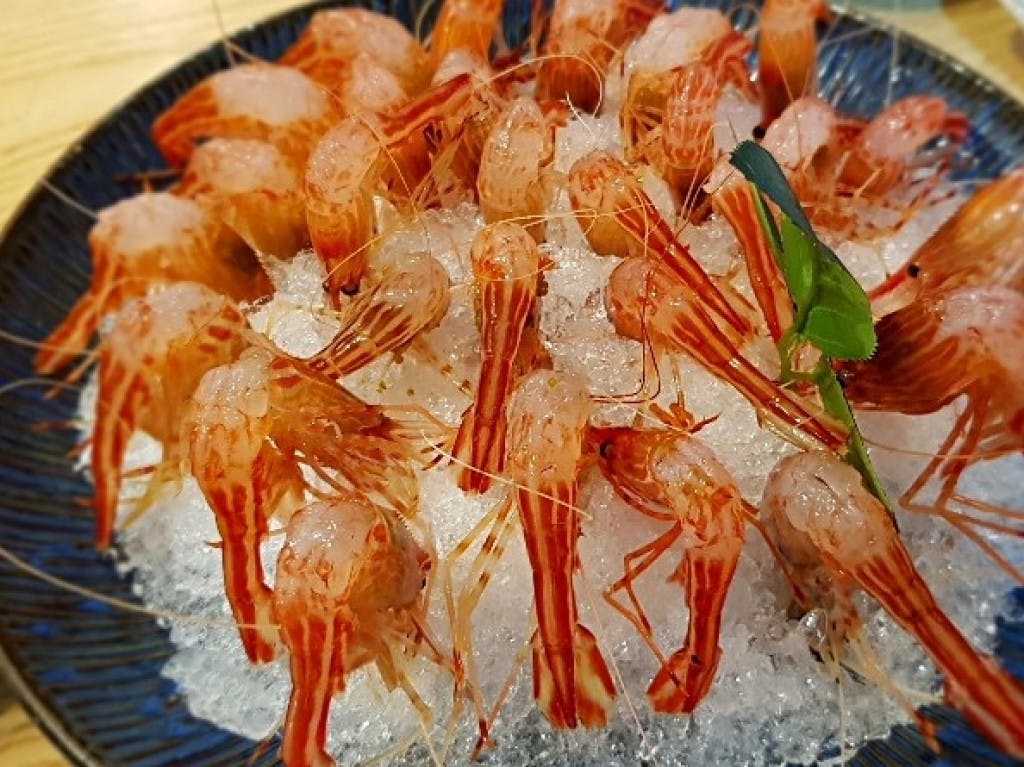
Dokdo shrimp are a valuable Korean marine resource - high-quality shrimp caught in the deep waters surrounding Dokdo.
Actually, Dokdo shrimp aren't a specific species but refer to 3 shrimp species caught around Dokdo. 😉 Beneath volcanic islands Ulleungdo and Dokdo lies a massive underwater mountain range, with depths exceeding Seoul's 63 Building (249m) in Yeouido. The shrimp caught here are renowned for their exceptional quality.
-
Pandalus hypsinotus (Dohwa shrimp): Served at state banquets, considered the highest grade. Excellent raw or grilled - tender and delicious.
-
Spiny lebbeid shrimp (Dak shrimp): Large head with rooster-comb-like spines. Firmest and most bouncy texture among the three - excellent chewing satisfaction, best flavor when raw.
-
Trachysalambria curvirostris (Kkot shrimp): Beef-like texture when grilled, sweeter flavor when raw.
If you visit Ulleungdo and Dokdo, try this precious three-shrimp set! Peak season is September through December. 🦐
=
An hour and a half by ferry from Ulleungdo, there lies Dokdo, where the birds' chorus and the sounds of the waves echo.
Getting there isn't easy, but that's part of what makes it special. If you get the chance, take it. 🍀💙


