


-
Author: Dr. Oh Chul, HJM Clinic
-
Editor : Sia

What comes to mind when you hear the word 'corset'? 👗
The corset first appeared in medieval France as a functional shapewear undergarment. It tightly holds the body from the outside, slimming the waist and creating a beautiful silhouette.
Did you know there's a Korean medicine skin treatment that uses the same supportive principle - creating an inner 'corset' for your face? 😉
Thread Lifting: Different Types for Different Goals!
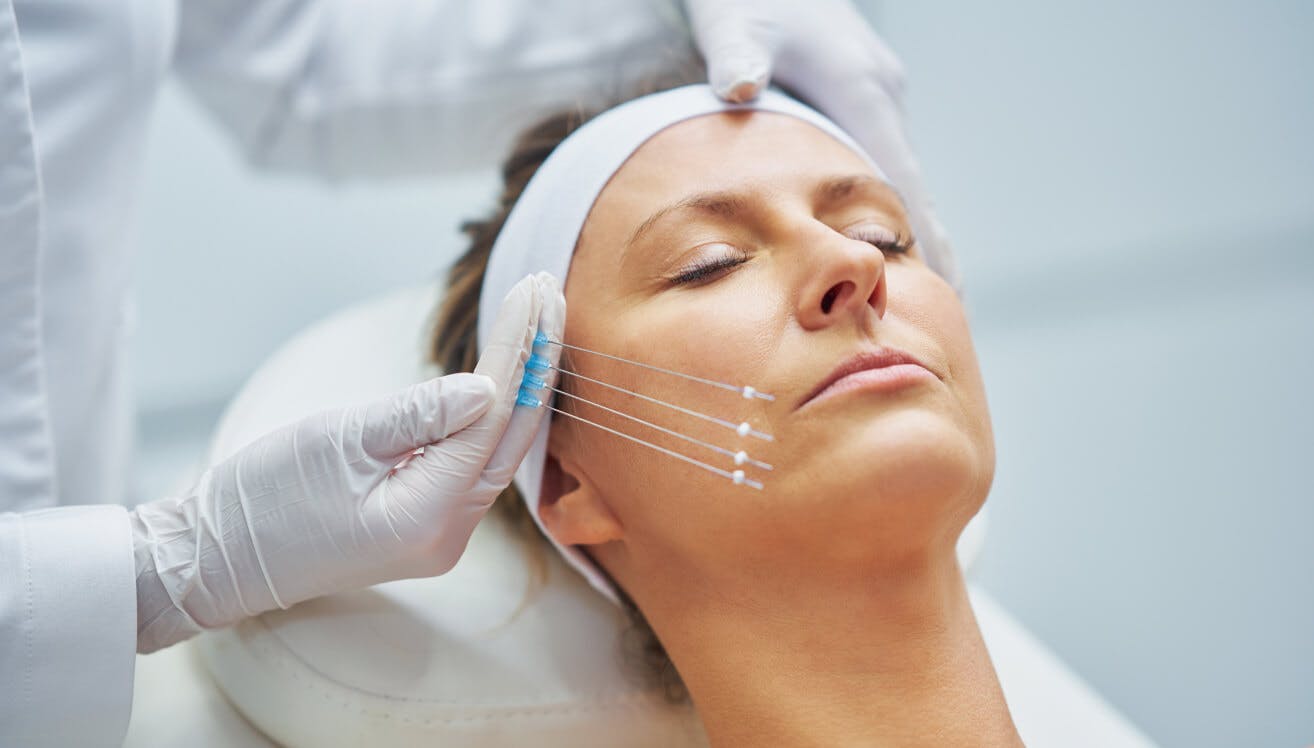
Korean medicine doctors have been using 'dissolving threads' for pain and cosmetic treatments for about 20 years. This method of inserting threads under the skin or at acupuncture points was called Maeseon therapy (매선, thread embedding therapy).
Over time, Maeseon therapy's effectiveness became widely proven. Now, both Western and Korean medicine utilize this technique. Particularly in aesthetics, this procedure has been given the intuitive name “thread lifting.”🪡
📌 Where Threads Dissolve, Collagen Takes Hold
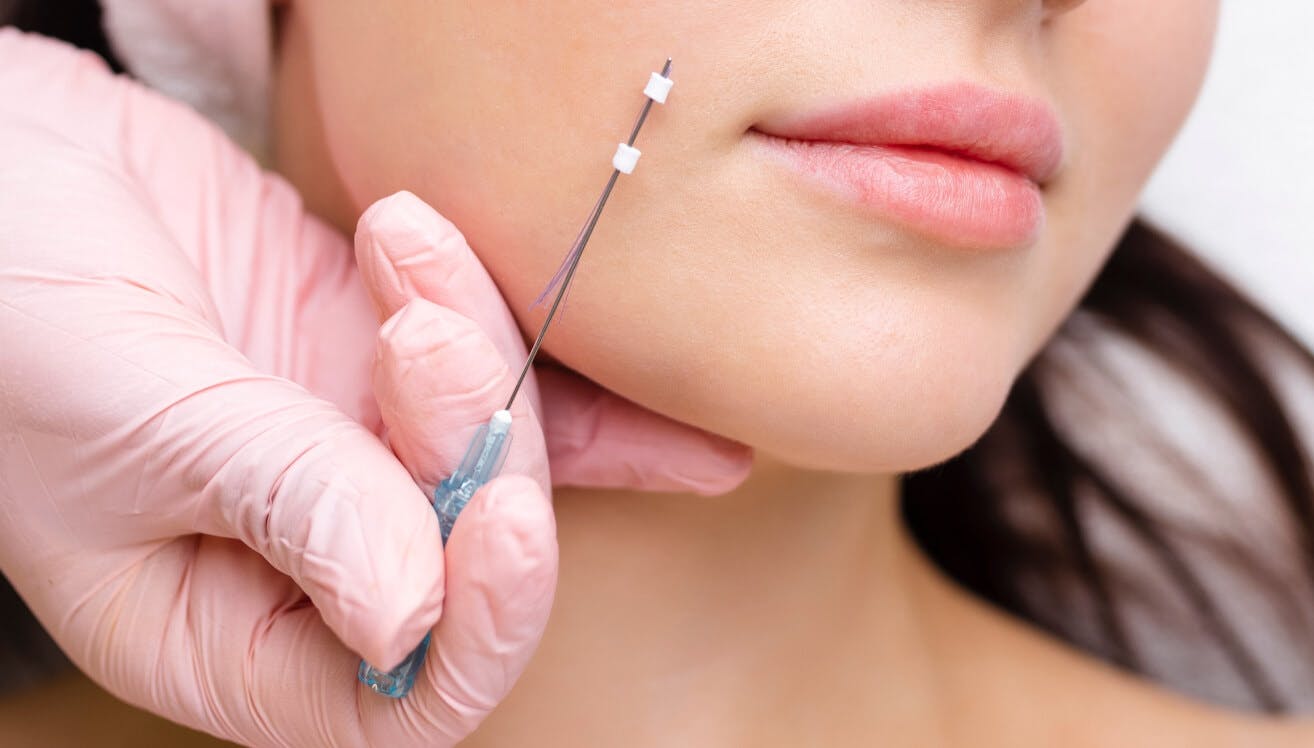
The threads used in lifting are made from polydioxanone (PDO), a harmless surgical suture material. It slowly hydrolyzes in the body and completely breaks down into water and carbon dioxide for elimination. It's a safe polymer substance with no toxicity or allergic reactions.
And where these threads dissolve, naturally synthesized collagen takes their place. Collagen lifts the skin like the threads do for a specific period, then slowly disappears.
📌 Different Areas Need Different Threads - and Different Pain Levels!
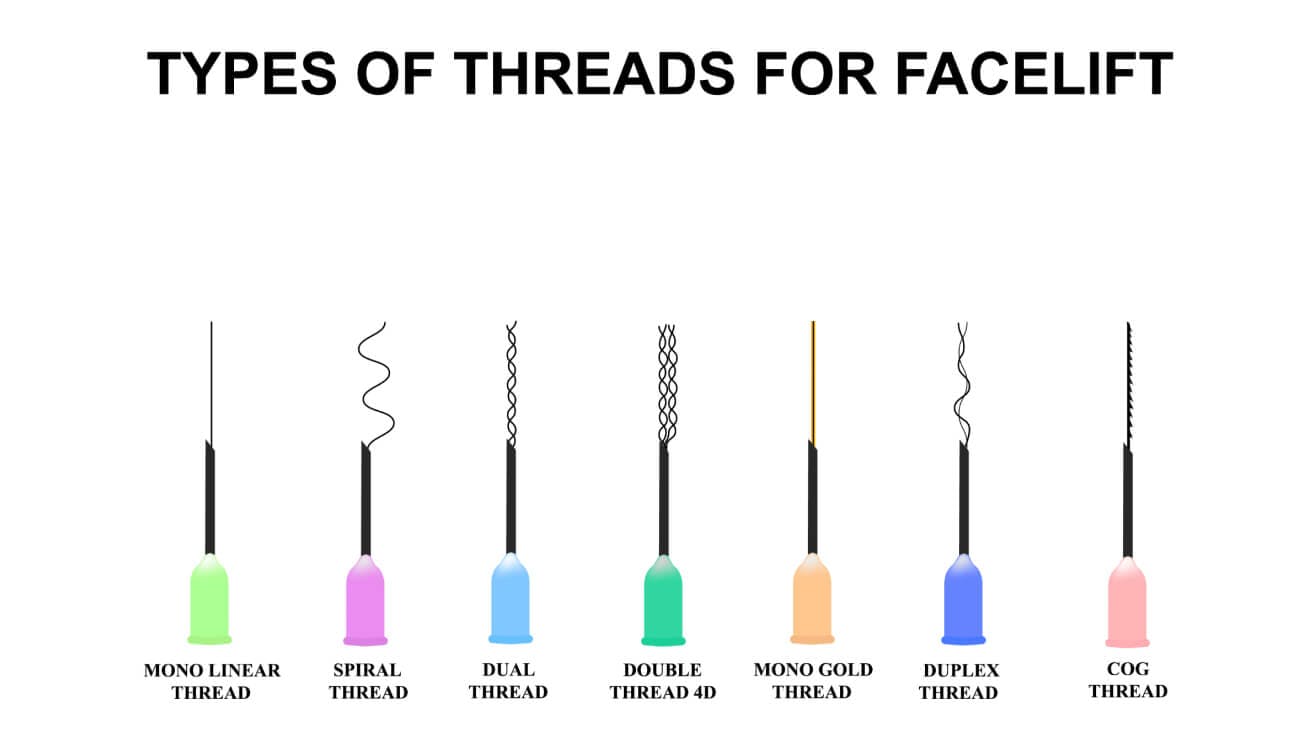
As thread embedding gradually became mainstream, thread types evolved according to purpose. Here are a few types:
1) Mono Threads : The most basic form - the original thread type. Thinner than a hair strand, causing the least pain. However, results vary depending on the practitioner's skill.
2) Screw (Coil) Threads : Twisted threads with a bumpy texture. They fill sunken areas and add volume, most commonly used for nose bridge enhancement. Slightly thicker threads cause some pain, requiring injection anesthesia.
3) Cog Threads : Threads with small barbs protruding from the surface. Most commonly used for the actual lifting of sagging skin. Threads enter both temple areas and extend down to the jaw. When pulled, the barbs catch subcutaneous tissues, physically lifting sagging tissue. This also requires injection anesthesia due to pain.
We could classify further in more detail, but this covers the major categories. 🤗
What is Face Corset?!
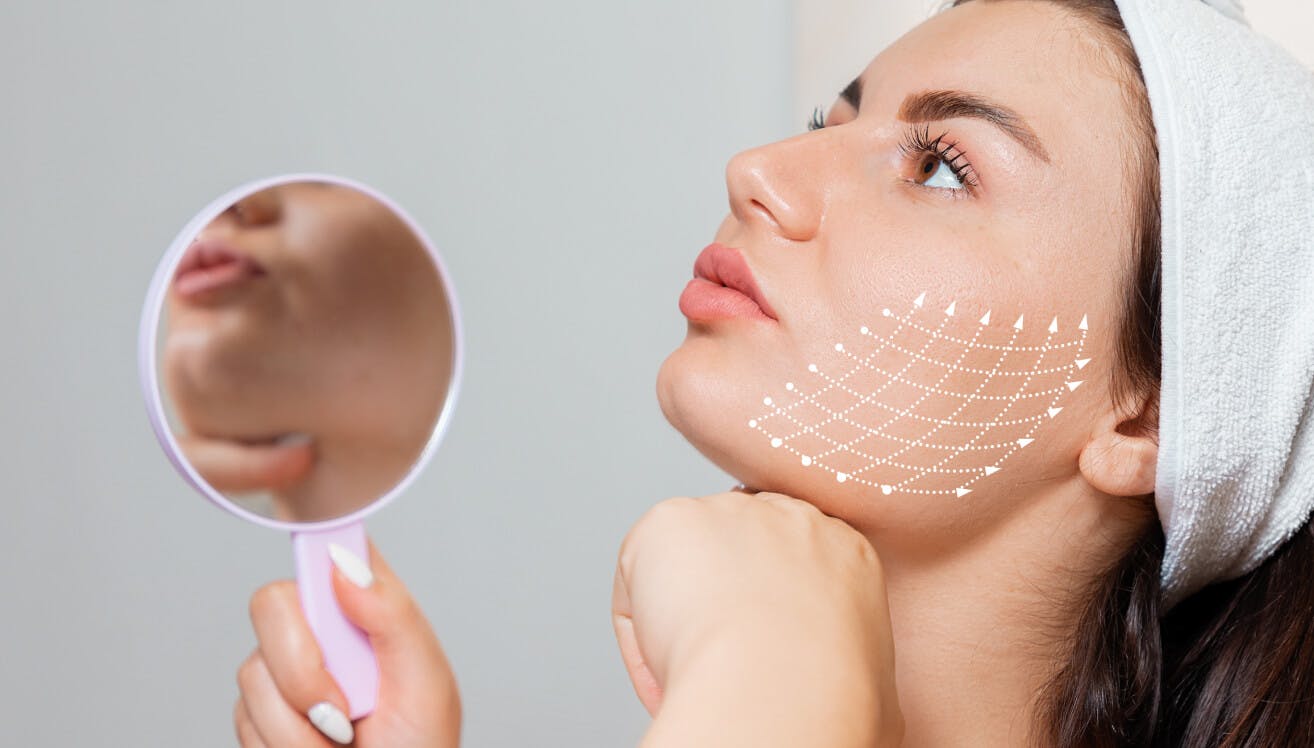
Face Corset is a facial silhouette refinement treatment using thread embedding.
It's not a procedure using cog threads to pull sagging skin upward. Instead, it uses the least painful mono threads to create a supportive mesh that holds facial contours in place.
📌 Lifting Sagging Skin from Aging
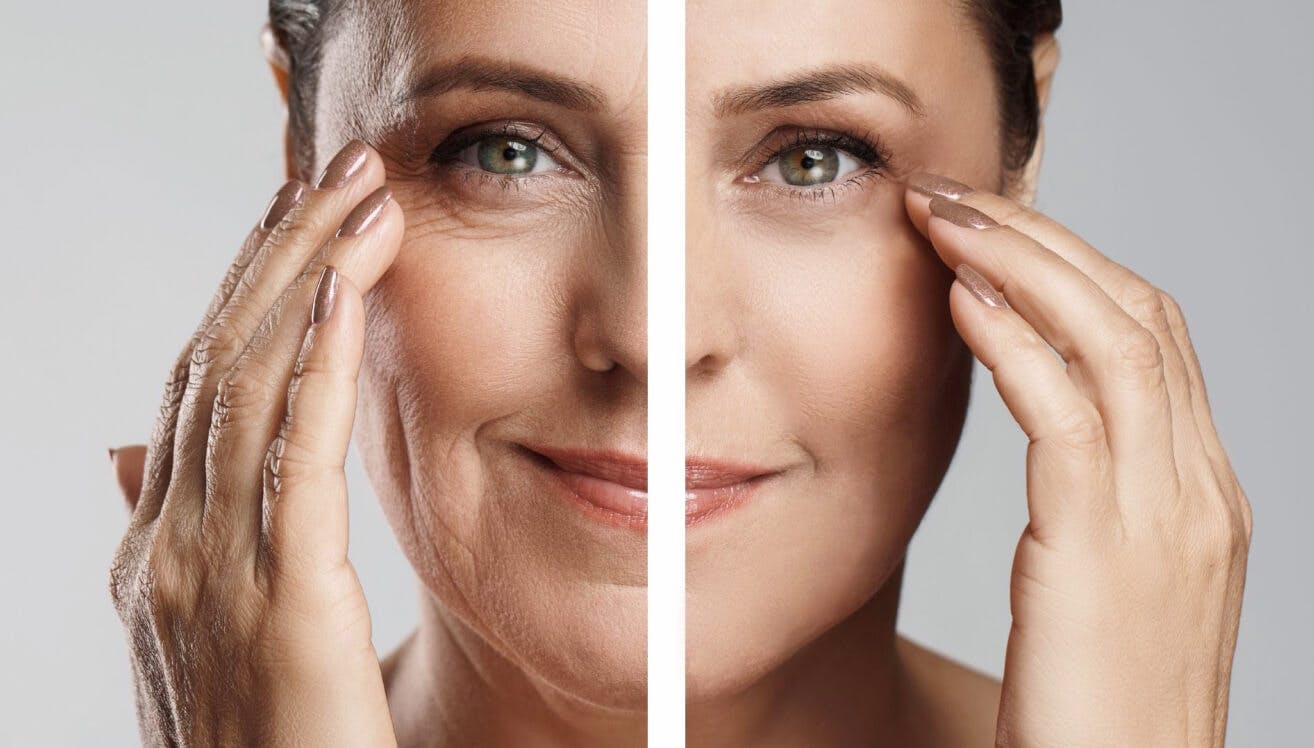
As we age, ligaments that hold skin and subcutaneous fat weaken. Eventually, the fat under your skin slides down and bulges out, causing your face to lose its shape.
Face Corset creates a mesh that holds this in place, reviving collapsed and blurred jawlines and restoring the face to its former shape!
In particular, Hwajeobmong Korean Medicine Clinic is a first-generation clinic that pioneered thread embedding for cosmetic skin treatments before the term 'thread lifting' was coined.😉 This procedure offers these advantages:
-
Almost no side effects
-
2-3 months of treatment maintains effects for 1-2 years
-
Simultaneously improves aging-related skin wrinkles, pigmentation, and dryness
-
No skin weakening or sensitivity from repeated treatments; actually helps improve skin elasticity
Since it's a procedure involving thread insertion into the face, bruising may occur after treatment, but it typically disappears quickly!
=
The endless world of cosmetic treatments—this time, we introduced a procedure that Korean medicine can help with.
We hope this article helps you solve your skin concerns. 😊


