


Feeling that chill in the air? Winter is approaching fast.
Today, November 7th, marks 'Ipdong' (입동) - one of Korea's seasonal milestones, meaning "the start of winter." Fifteen days later, on November 22nd, comes 'Soseol' (소설), traditionally the day of the first snowfall.
As winter approaches, Koreans begin their 'woldong junbi' (월동 준비) - winter preparation. 'Woldong' is a Sino-Korean word meaning "getting through winter."
From making kimchi that lasts all year to stocking up on heating essentials - today we're introducing Korea's must-have winter survival items! ❄️
Essential Winter Preparation Items
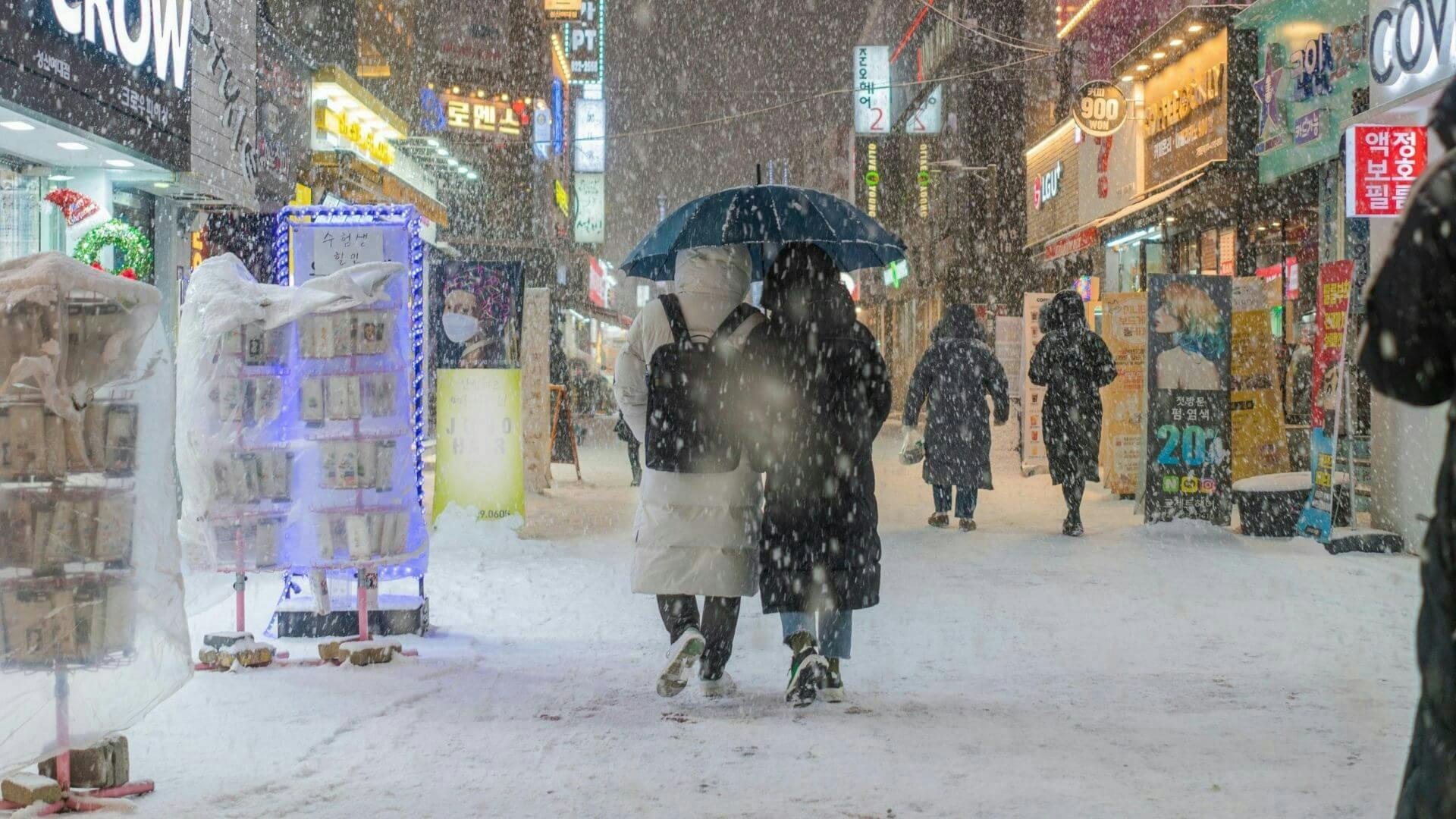
Koreans have various items to survive winter.
Representative products include heated mattresses, kimchi refrigerators, hand warmers, thermal underwear, and heavy outerwear. 😉
📌 Items That Keep Your Home Warm
Most Korean houses have 'boilers' (보일러) installed. Boilers heat water and circulate it through heating pipes installed throughout the home to warm the space.
However, winter heating costs can be pretty steep. 😂 So there are various money-saving tips:
-
Heated Water Mattress (or Electric Mattress)
Placed under blankets, heated water mattresses are winter essentials in Korea. Heated water mattresses heat water electrically and circulate it through the pad, reducing electromagnetic concerns while maintaining warmth longer.
-
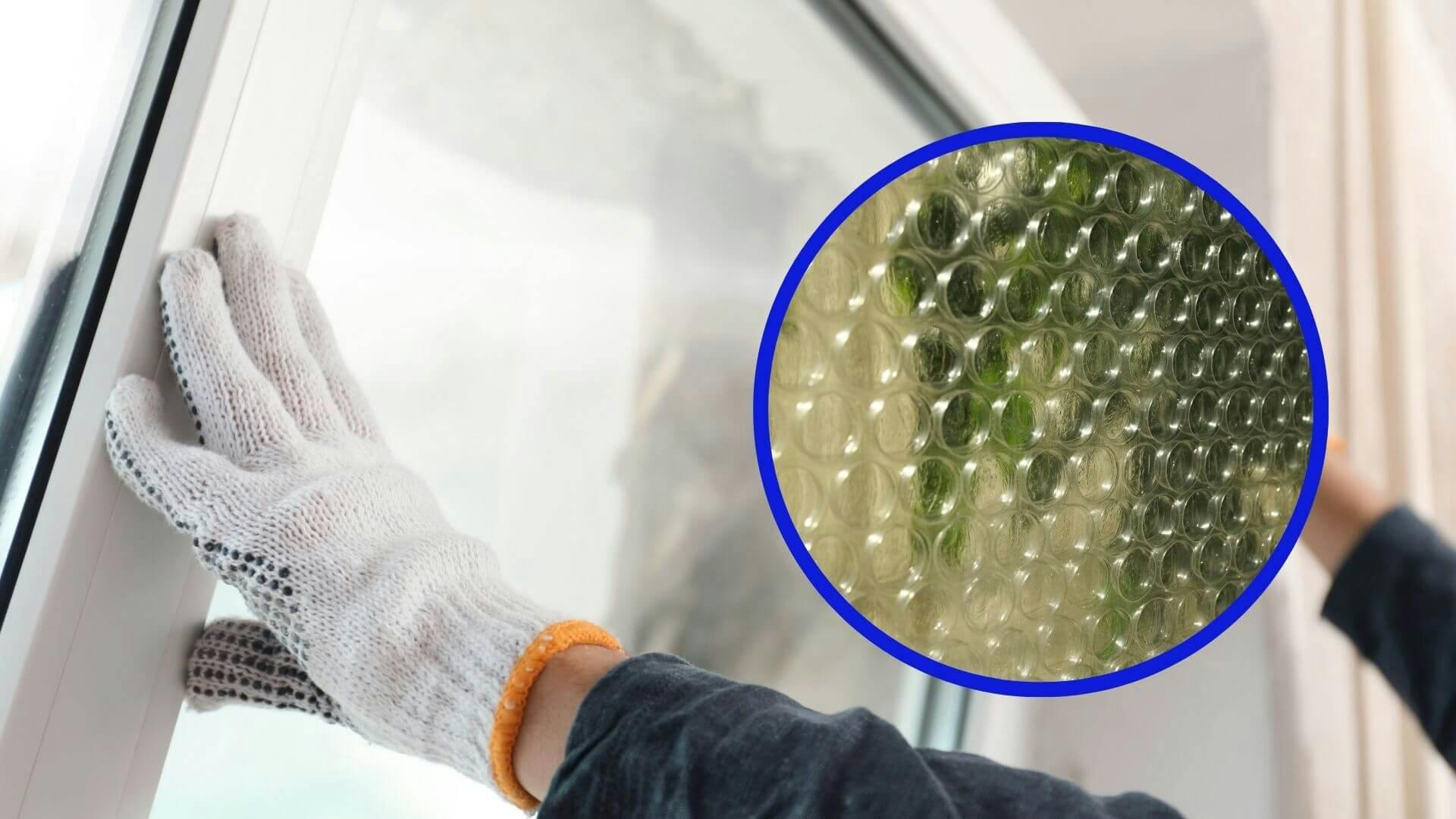
'Ppokppoki' (Bubble Wrap) for Windows
Koreans call bubble wrap 'ppokppoki' (뽁뽁이) 🫧 Attaching this to window gaps where cold air enters helps retain indoor warmth. Since ppokppoki is transparent, it doesn't block sunlight from naturally warming the room!
📌 'Puffer Jackets' and 'Hand Warmer' to Battle the Cold Wind
Korea's winter wind is described as 'sal-eul eneun chuwi' (살을 에는 추위) - "bone-cutting cold," meaning pain as if a knife were slicing through flesh. To block such fierce cold, Koreans prepare various items.
-
Long Puffer Jackets
Walking Korean winter streets, you'll witness a parade of 'black long puffer jackets’. 😂 This is the Koreans' desperate choice for survival in cold weather. This year, lightweight puffer jacket suitable for early winter or indoor use is also trending!
-
Hand Warmer
Slipped into pockets to warm hands or stuck inside clothes to heat the body, hand warmers are winter lifesavers. Various types exist: disposable pouches, rechargeable versions, and hot water bottles. Even warm canned coffee from convenience stores works as an instant hand warmer!
📌 Making Kimchi to Last All Year
When winter arrives, Koreans make 'kimchi' - a traditional dish made with napa cabbage. Since fresh vegetables were hard to obtain in winter, people made lots of kimchi in early winter and stored it.
Kimchi, stacked in traditional jars, is a fermented food whose taste gradually changes over time. Koreans still make kimchi this season. However, instead of traditional jars, they now store it in modern 'kimchi refrigerators'. 😂
Making kimchi has many interesting aspects. Each household's recipe and seasoning differs slightly, so there's fun in tasting each family's unique flavor. 😉
Before Winter Arrives, Check These!
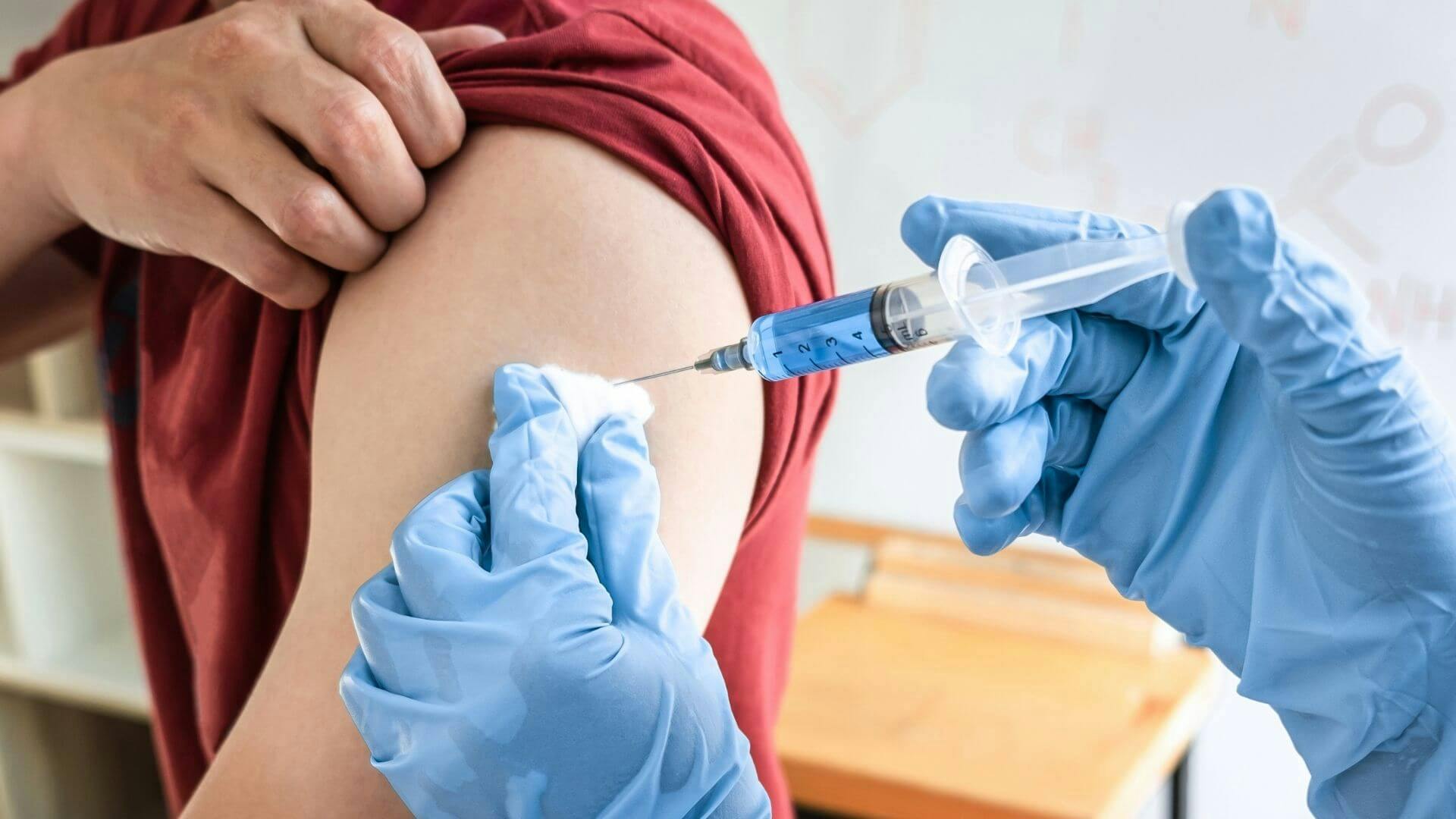
Before winter fully sets in, there are things to prepare for regarding health and safety.
✅ Flu Epidemic Alert - Get Your Vaccination
Korea's 2025 flu epidemic warning was issued two months earlier than last year. The Korea Disease Control and Prevention Agency reports that influenza-suspected patients have surged more than 3 times compared to a year ago. Particularly, this winter may see the worst flu epidemic in the past 10 years. 💉
Therefore, we recommend getting your flu shot before the cold really hits. The flu vaccine is the most widely administered worldwide, with proven effectiveness and safety. After vaccination, your body develops an immune response and forms antibodies - it takes about 2 weeks after getting the shot for preventive effects to kick in.
If you have korean health insurance, you can get the flu shot for around 20,000 to 30,000 won. It's easily available at nearby internal medicine or ENT clinics.
Also, if you develop a fever, definitely visit a hospital. Since colds, flu, and COVID-19 are currently circulating simultaneously, fevers can lead to sudden deterioration or complications.
✅ Check Your Tires
Did you know vehicle tires should be chosen according to the season?
Tires are generally divided into summer, all-season, and winter types. In Korea, 'all-season tires' are most commonly used.
So you need to check what type of tire your car has. Especially if you live in cold regions with heavy snowfall, consider winter tires. All-season tires may have reduced safety in extreme temperatures.
✅ Prevent Frozen Water Pipes
When temperatures drop below freezing, water pipes can be frozen, leaving you without running water. 🚿 Preparing for this is essential, and prevention methods vary slightly depending on your housing type:
-
When leaving home for extended periods, leave the faucet slightly running
-
Wrap any exposed outdoor water pipes with old clothes or insulation
-
If there's a management office, listen carefully to their freeze prevention announcements
-
If you have a boiler, don't turn it off when going out - set it to 'away mode'
=
Korea’s winter is beautiful with its magnificently piled snow, but preparation for the bone-chilling cold that accompanies this scenery is necessary! 🧣
If you're spending winter in Korea, use this guide to start your winter preparations!
Wishing everyone a healthy and cozy winter! ❄️☃️


