


-
Written by Dr. Shin Jeong Won, Tong-In Clinic
-
Edited by Sia

Hello! I'm Shin Jeong Won, doctor at Tong-in Korean Medicine Clinic.😊
Recently, while running The Pylon Club Experience Group, I discovered that our EEUTs love the ssanghwa-cha (쌍화차, traditional Korean herbal tea) we have available in our clinic!
I often get questions about it, like "What ingredients are in it? What is it good for?"
If you're curious about which type of Korean herbal tea might suit you best, or which tea would be suitable for your usual symptoms, please pay attention to today's article.🙂
I'll especially recommend 4 traditional teas made with Korean medicinal herbs that even Korean medicine doctors enjoy drinking!
🔹 How are herbal teas different from Korean medicine?
The difference lies in whether they are classified as food or medicine. Specifically, they differ in whether they work as single or multiple components, and their ingredients and concentrations vary significantly, so they should be consumed differently.
✅ Korean Medicine: Literally 'Medicine' for Treating Diseases
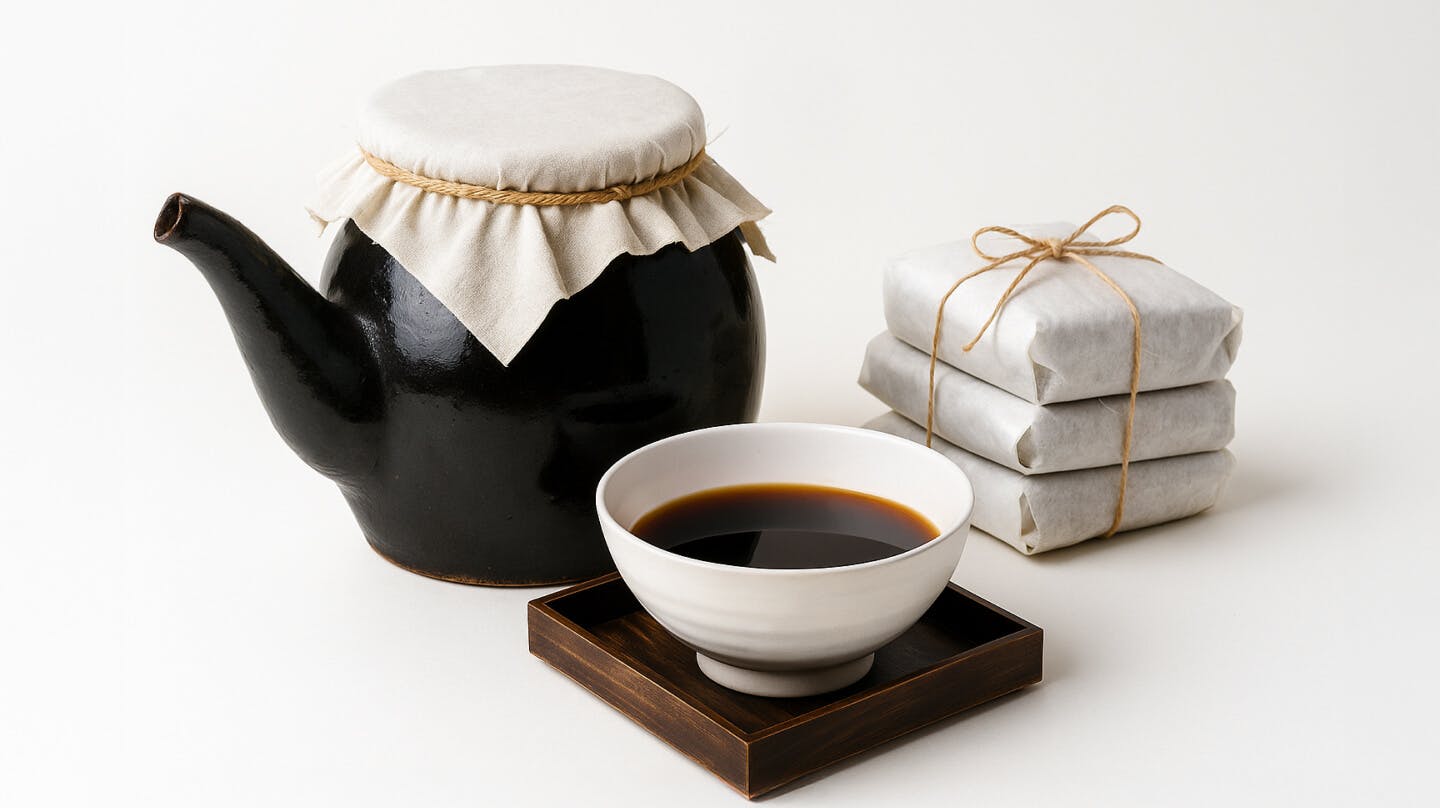
Korean medicine is a therapeutic approach that comprehensively diagnoses a person's constitution and condition, utilizing medicinal herbs in complex combinations for treatment purposes.
Therefore, unlike teas made with single ingredients, Korean medicine combines various medicinal herbs with different effects to treat multiple targets.
In technical terms, it's called a 'multi-target agent' that works on various systems in our body to treat more fundamental and complex symptoms. For example, taking Korean medicine that warms the body can simultaneously treat cold hands and feet, menstrual pain, and diarrhea!
There's also a difference in concentration. Health functional foods or teas often contain small amounts of main ingredients like red ginseng, along with other herbs, sweeteners for taste, flavoring agents for aroma, and food additives for texture.
Korean medicine, however, is made by boiling 100% pure medicinal herbs, so it has higher active ingredient concentrations.
✅ Herbal Teas: Food Products
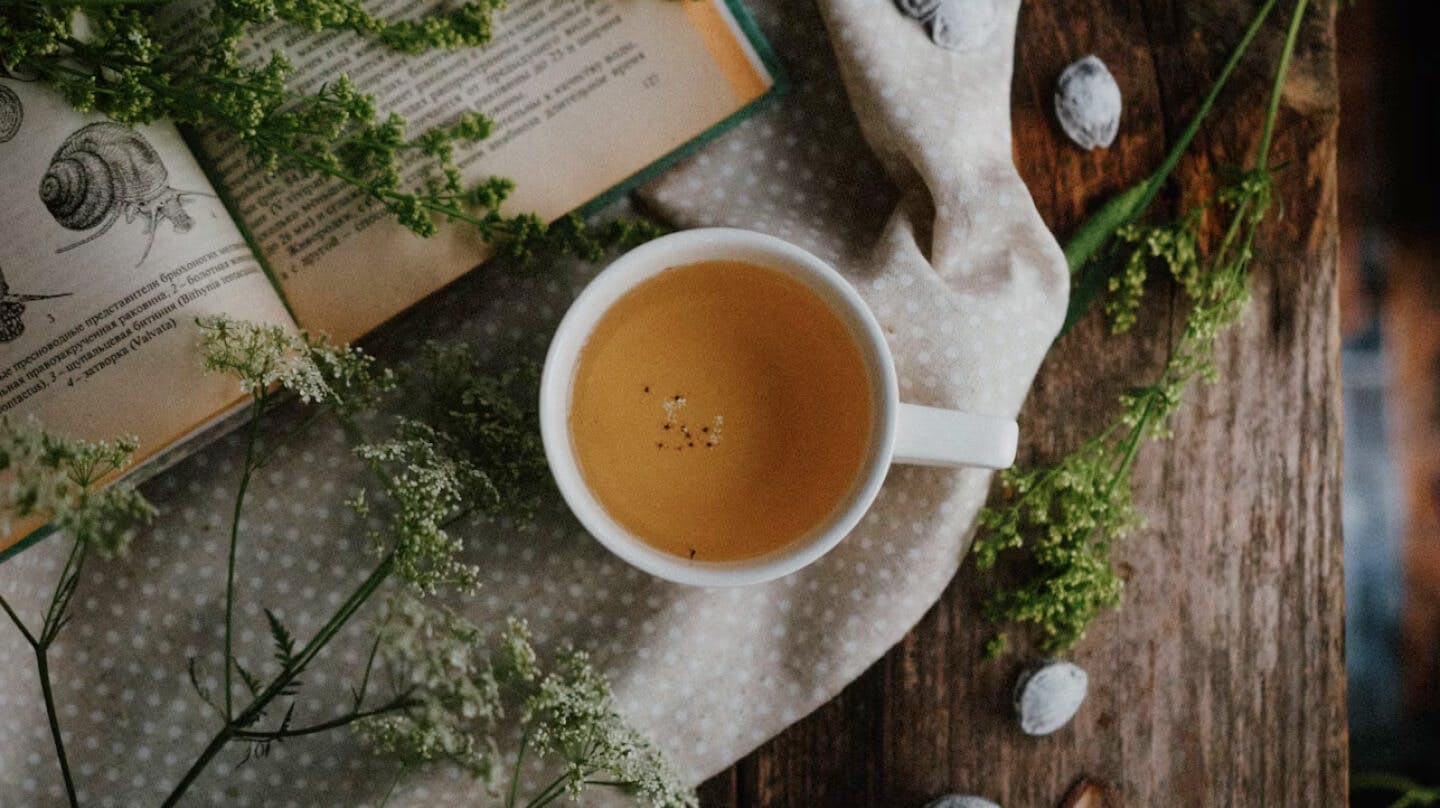
Similar to lavender, peppermint, rooibos, chamomile, and the plum and corn silk teas I'll introduce today, these food products are made by steeping leaves, flowers, stems, and other plant parts that have fragrance and beneficial properties.
Therefore, rather than treating specific diseases, they serve supplementary health improvement purposes.
Just like how drinking plum tea can relieve mild indigestion, it helps temporarily and mildly alleviate symptoms when they're not severe enough to require a hospital visit.
However, they're not suitable for fundamental treatment of chronic, frequently recurring symptoms or progressively worsening conditions.
In such cases, I recommend visiting a nearby hospital or clinic for a precise diagnosis and consultation with medical professionals.
🔹 For sudden indigestion – Plum tea & Honey water
"I think I have indigestion. My chest feels tight and stuffy..."
When you suddenly feel unwell? Depending on your symptoms, plum tea or honey water can help!
📌 For Feeling Stuffed – 'Korean Plum Tea'
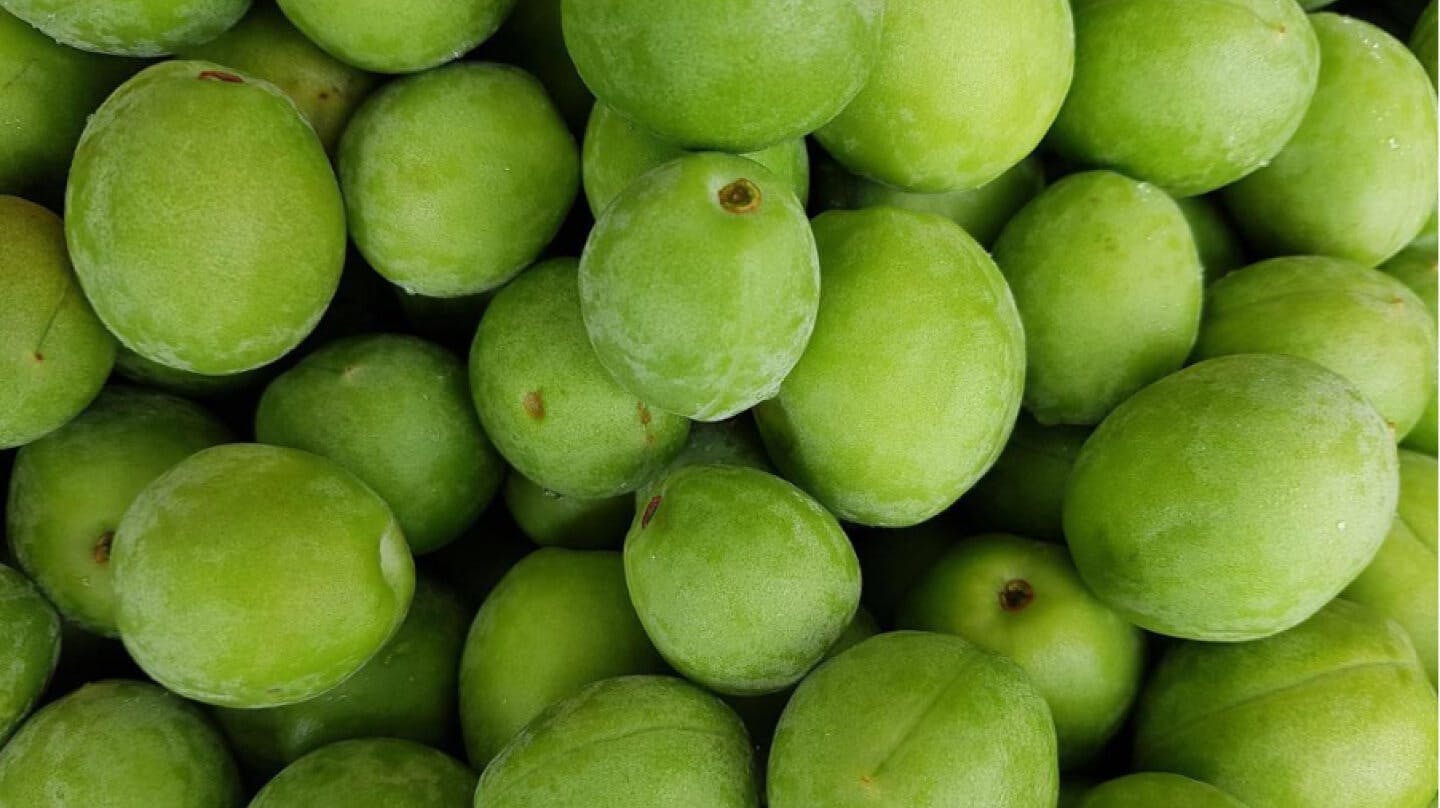
If you feel bloated, I recommend Maesil(Korean Plum) tea. There are various types of plums, and among them, the ones that are green with firm flesh and the strongest sour taste are called 'cheongmae' (청매, green plums). When these green plums are peeled and smoked, they become 'omae' (오매, smoked plums).
Using omae to make plum tea that's less sweet and slightly sour with an under-ripe taste works well. Omae is known to be excellent for fever reduction, hemostasis, pain relief, deworming, thirst prevention, and detoxification.
Plums are rich in organic acids and citric acid, which help regulate gastric acid secretion and aid in digesting stagnant food.
Plums also contain pyruvic acid, which is effective for improving liver function, making it effective for post-drinking indigestion too. 🙂
📌 For Heartburn and Reflux – 'Honey Water'
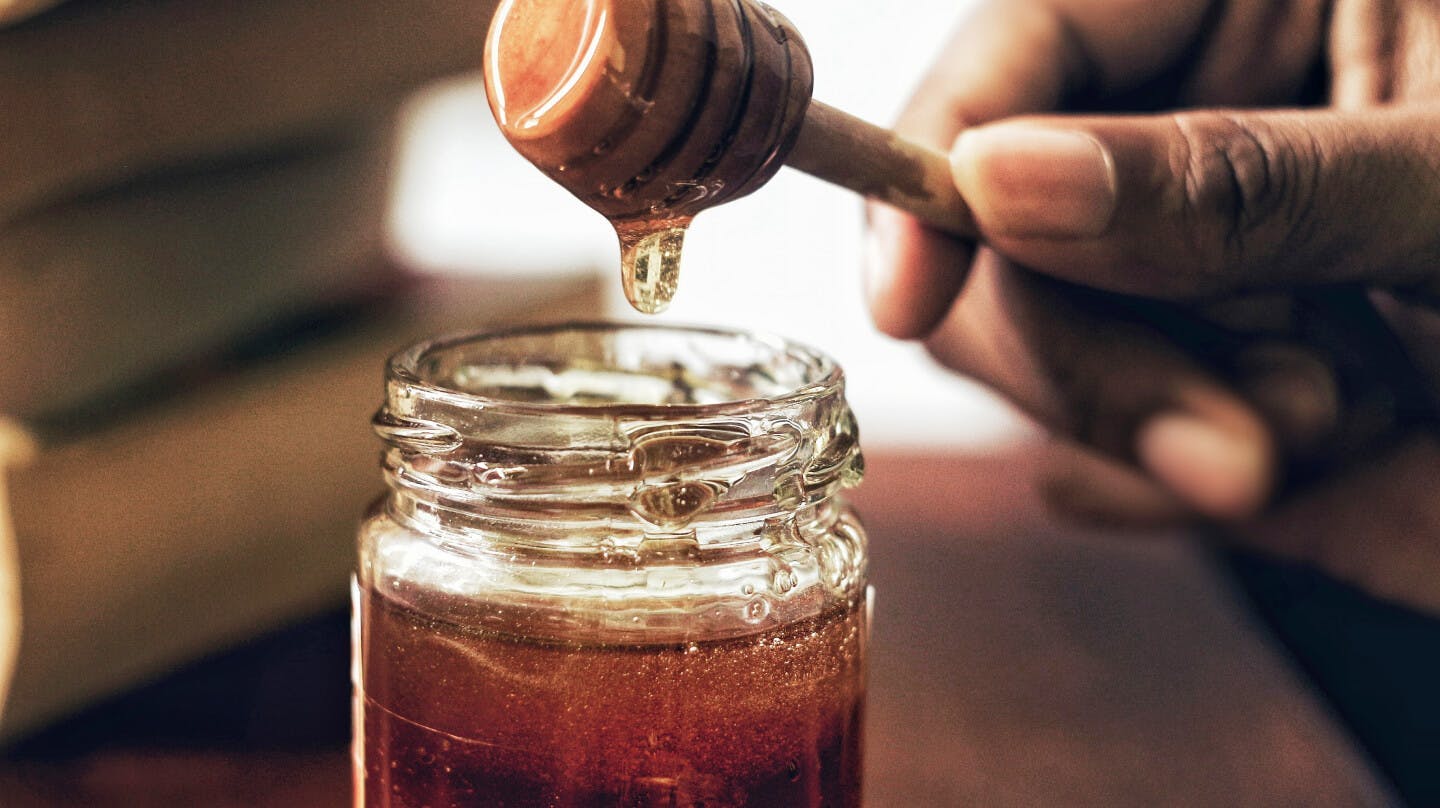
On the other hand, if you experience heartburn and reflux rather than bloating, I recommend mixing honey in warm water (Kkulmul, 꿀물)!
Honey water protects the gastric mucosa, making it suitable for people with weak stomachs.
Usually, gastric acid eliminates harmful bacteria that enter with food. But when the body is weak or stomach function is poor, gastric acid secretion is reduced, causing upset stomach or diarrhea even from minor dietary mistakes 😢.
Honey contains anti-oxidants like flavonoids and phenolic compounds that reduce inflammation in the gastric mucosa. It also promotes digestion, helping to relieve bloating and indigestion.
However, diabetic patients should avoid excessive consumption as it can raise blood sugar! For such patients, I recommend ginger tea!
🔹 For diet & reducing swelling – Corn silk tea
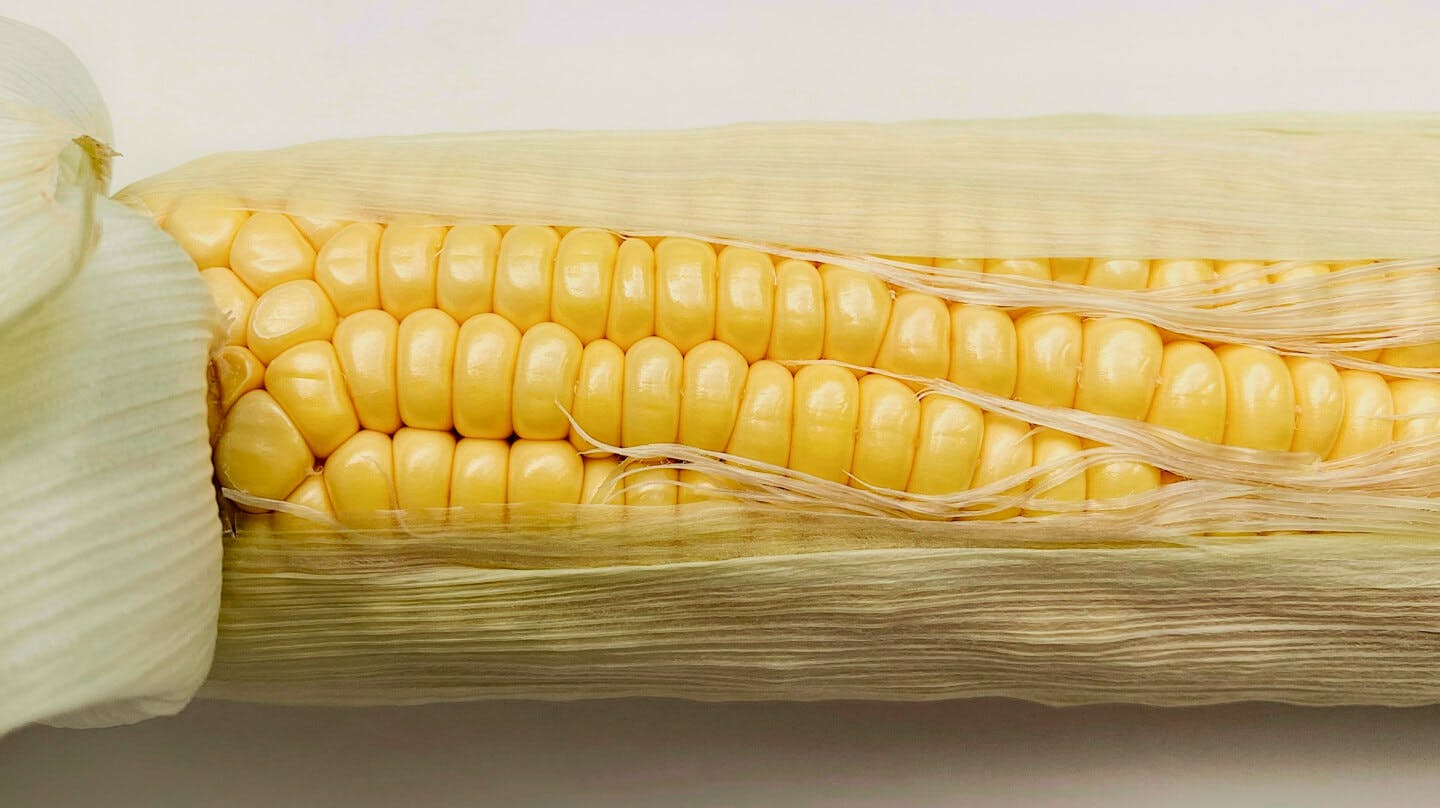
"I ate ramen before bed and woke up with a swollen face."
Corn silk has been called 'okchoksu (옥촉수, 玉蜀鬚)' as a medicinal herb in Korean medicine texts. It has diuretic effects that help reduce edema.
High in potassium, polyphenols, and flavonoids, it promotes sodium excretion from the body and naturally reduces swelling through diuretic action.
I recommend it for individuals experiencing heaviness and swelling in the lower body, particularly those with severe pre-menstrual symptoms.
Moreover, various studies report that it's effective for lowering cholesterol, weight loss, and reducing body fat.
This is why 'corn silk tea' is widely sold as a beverage in stores!
Therefore, individuals who tend to retain water or swell easily should drink one cup on an empty stomach in the morning before important events.
It also tastes nutty and slightly sweet. 🖐️
🔹 'Angelica tea' for women's health
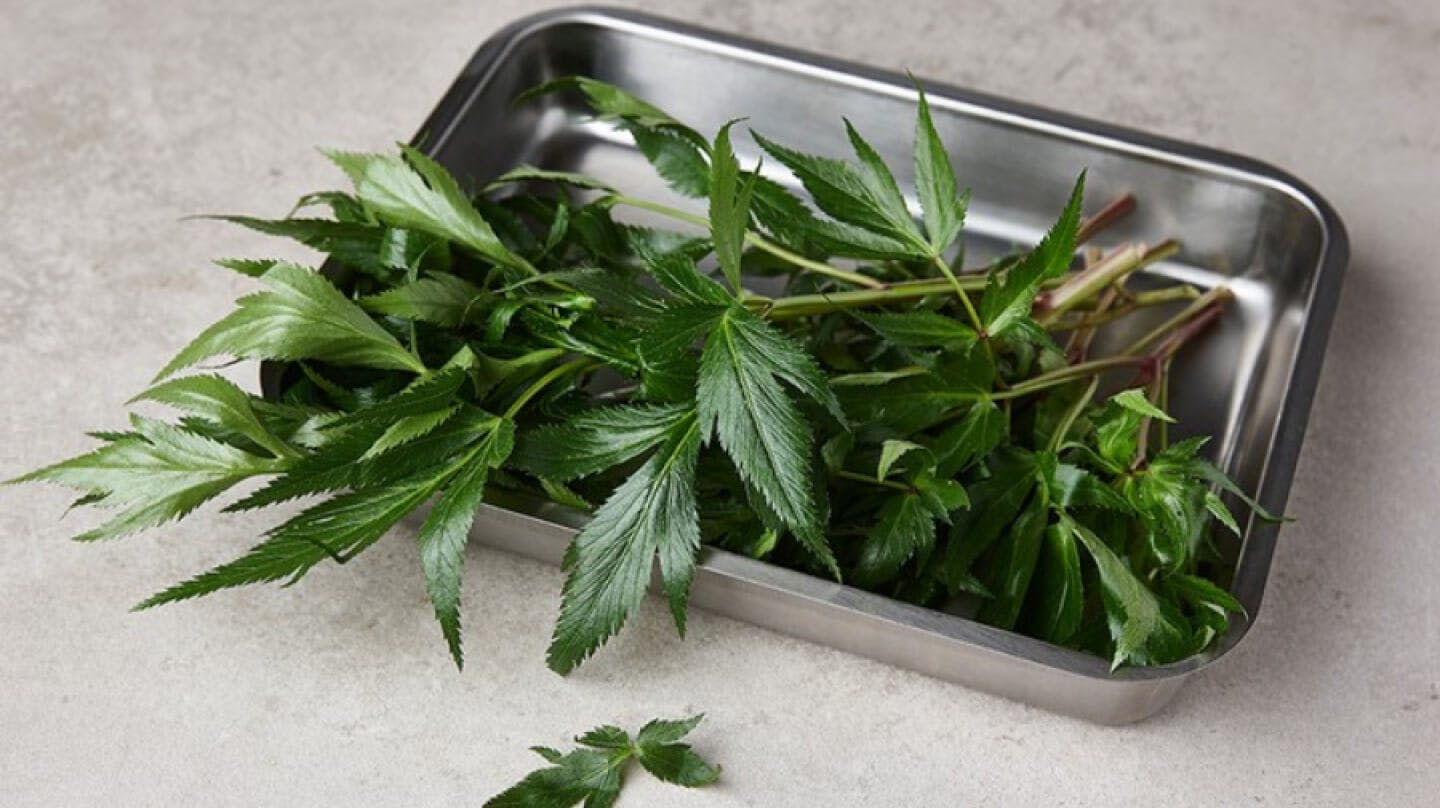
"My period keeps getting delayed, and my lower abdomen feels cold..."
If I could use only one Korean medicinal herb for women, I would choose Danggui (당귀, Angelica) - it's the most important herb for women's health.
It helps with blood circulation, improves blood flow, and provides blood supplementation. Thanks to this, it's effective for menstrual pain, irregular menstruation, and a cold constitution, and also helps women prepare for pregnancy.
If you have severe menstrual pain or a gradually decreasing menstrual flow, drink one warm cup daily for 1-2 weeks before your period.
It will warm your lower abdomen and significantly improve the color and flow of menstrual blood.
🔹 For summer fatigue and lethargy – Saengmaeksan
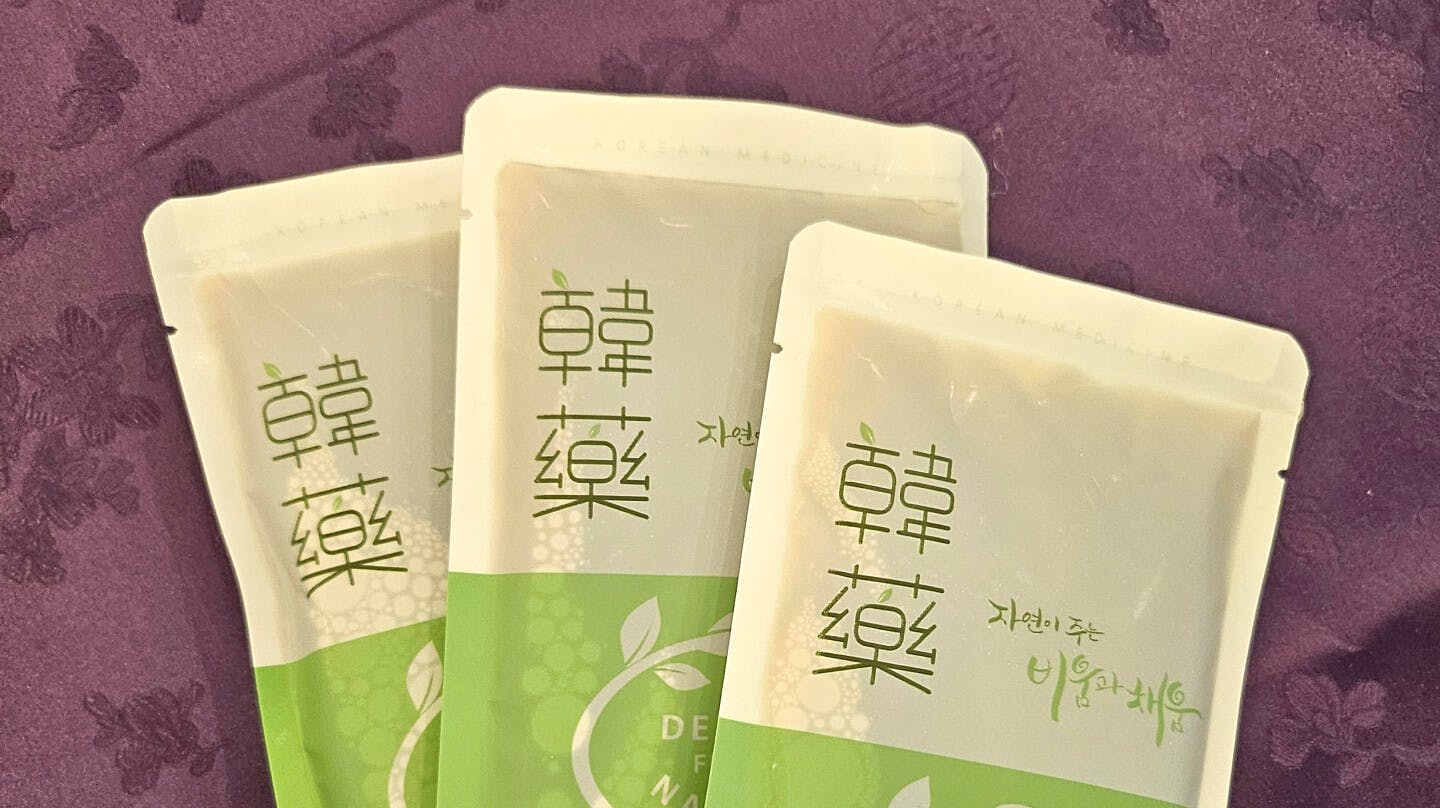
"I think I got heat exhaustion. My appetite has completely disappeared, and I have no energy at all."
For such symptoms, Koreans say they've "eaten the heat." For those suffering from summer lethargy, fatigue, and excessive sweating, I recommend Saengmaeksan (생맥산, 生脈散).
In Korean medicine, Saengmaeksan means 'a prescription that revives energy' and consists of three medicinal herbs:
-
Maekmundong(맥문동, Ophiopogon): Replenishes body fluids and relieves thirst and heat
-
Omija(오미자, Schisandra): Replenishes fluids and energy & prevents excessive sweating
-
Insam(인삼, Ginseng): Boosts depleted energy
It's more of a Korean medicine than tea. Still, since all ingredients taste good and have a refreshing sour flavor, it's effective when boiled and drunk frequently like tea!
Do you feel flushed and fatigued in hot, humid summer weather? Do you get tired quickly, even from light outings? Feel drained along with excessive sweating?
If so, try carrying Saengmaeksan in a tumbler and sipping it like tea throughout the day. It can significantly help recover from air conditioning sickness and various summer heat-related symptoms.
However, don't take it for 'feverish' conditions like cold or gastroenteritis - please visit a nearby hospital instead.
**
Various teas derived from nature are excellent because they're easy to obtain and can resolve many uncomfortable symptoms in our body with relatively few side effects, even with long-term consumption. 😉🍵
I hope you stay healthy during this sweltering August. Thank you always!


