


-
Written by Dr. Shin Jeong Won, Tong-In Clinic
-
Edited by Sia

Hello! I'm Shin Jeong Won, doctor at Tong-in Korean Medicine Clinic.
Korea's four seasons move fast. It feels like just yesterday we were escaping the scorching heat and finally enjoying cooler weather—but suddenly, the cold wind brings winter. (Korea's autumn really is short!)🍂
When temperatures drop rapidly like this, many people say, “Body feels stiffer," "Cold hands and feet keep me awake," or "Chest feels tight and I feel dizzy."
Among these symptoms, chest pain or tightness especially makes people worry about potential heart problems or vascular disease.
In fact, a sudden cold is a major factor affecting vascular health. 😟
Today, I'll explain how to stay healthy through winter from a vascular disease prevention perspective as we prepare for the cold season.
🩸 When It Gets Cold, Your Blood Vessels Go on Alert?!

When it gets cold, our bodies constrict blood vessels in the skin to prevent heat loss and maintain body temperature.
Research shows that even a 1°C drop in temperature raises systolic blood pressure by an average of 1.3 mmHg; additionally**, strokes and other brain-related vascular problems are most common in December and January**. People with existing hypertension, high cholesterol, or diabetes are susceptible to these changes. They may experience severe cardiovascular events like heart attacks or strokes.
Korean medicine has long described this situation as "cold blocking blood vessels." In Korean medicine, when han-sa (한사, cold energy) or pung-han (풍한, wind + cold energy) penetrates the body, circulation are disrupted, leading to various symptoms and diseases—potentially causing pain, numbness, dizziness, and chest pain.
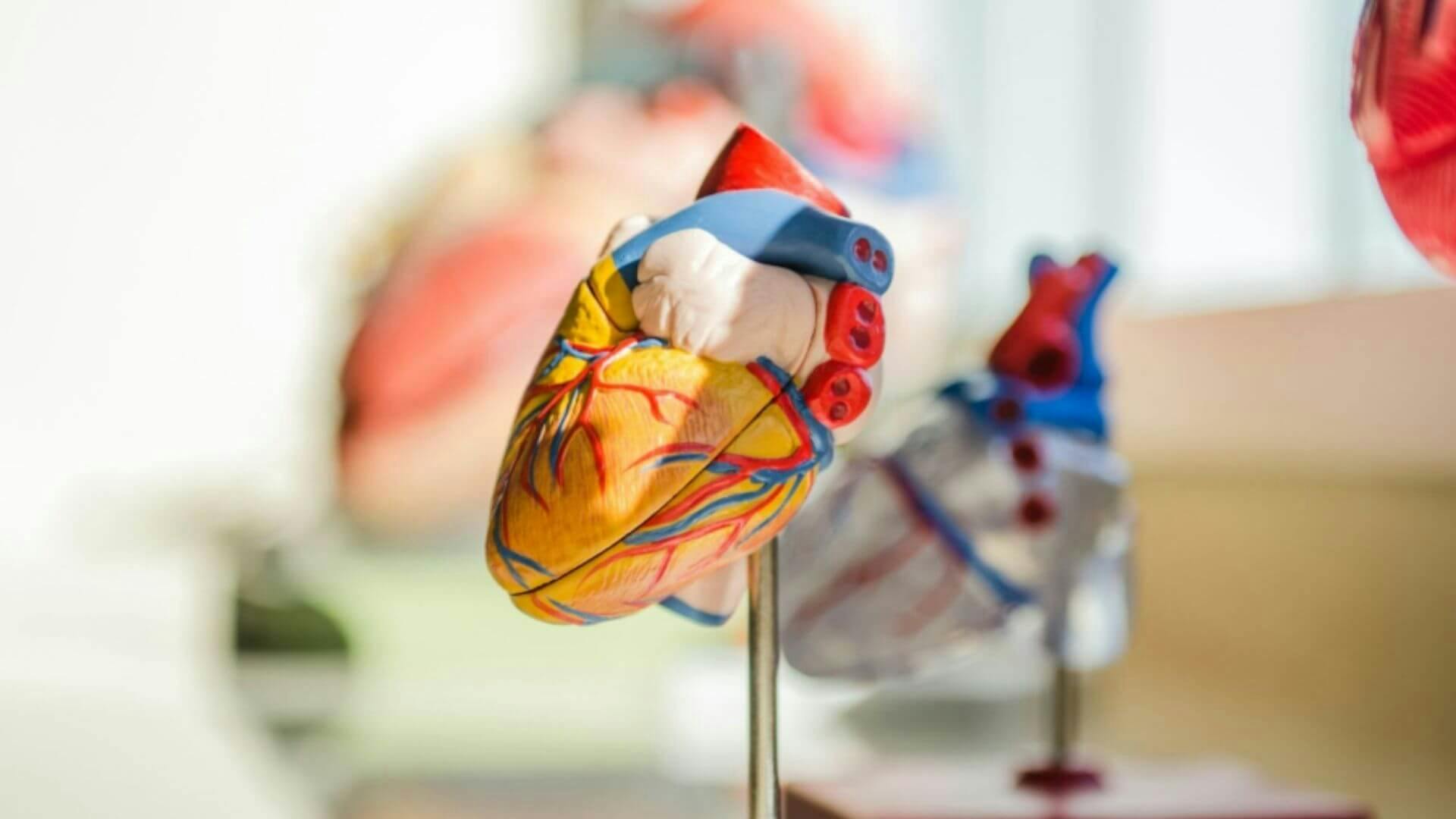
🌿 How to Prevent Vascular Disease?
-
Drink Warm Water Frequently
Sip lukewarm water regularly to maintain body temperature.
-
Keep Neck, Wrists, and Ankles Warm
Keeping your neck warm helps maintain body temperature. Turtlenecks, warm compresses on the back of the neck, scarves, and warming peripheral areas like wrists and ankles all aid blood circulation.
-
Sleep on a Regular Schedule
Irregular sleep rhythms overactivate the sympathetic nervous system, raising blood pressure and constricting blood vessels. Disrupted melatonin and cortisol secretion cycles also affect blood sugar and lipid metabolism, increasing vascular inflammation and oxidative stress. Conversely, consistent quality sleep stabilizes autonomic nervous system balance, relaxes blood vessels, and naturally regulates blood pressure and circulation—making regular sleep a necessary lifestyle therapy for preventing vascular disease.
-
Light Exercise
Even when it's cold, walk enough to raise your heart rate slightly. Maintain muscle pump action through stretching. Warming up with 5-10 minutes of indoor stretching before going out also helps increase body temperature.
-
Foods That Support Blood Flow - Ginger, garlic, onions, cinnamon, oily fish, brown rice, black beans
Ginger, garlic, onions, and cinnamon inhibit blood clotting and prevent excessive platelet aggregation, smoothing blood flow. Omega-3 fatty acids in oily fish lower blood triglycerides and reduce inflammation, keeping vessels flexible.
-
Foods to Avoid - Cold beverages, fatty meats, instant foods, high-sodium items
These constrict blood vessels and make blood viscous, worsening circulation problems.
-
Reduce Alcohol and Smoking
These damage vascular cells, sharply increasing blood pressure and the risk of arteriosclerosis—reducing them is the most essential foundation for maintaining healthy blood flow.
🌿 Korean Medicine Approaches to Vascular Health
Various Korean medicine treatments can also manage vascular health.
1️⃣ Herbal Medicine That Warms the Body
Korean medicine uses the term on-gyeong-san-han (온경산한, warming meridians and dispersing cold energy) when describing herbal medicine effects. "Herbal medicine improves blood circulation and warms the body" is the most common feedback patients give after taking it.
Representative "warming" herbs include. Since many of these are also commonly used as food ingredients, you might enjoy incorporating them into teas or cooking:
-
Ginger (생강), Dried Ginger (건강): Warms the stomach. Effective for relieving cold-related pain
-
Cinnamon (계피): Dilates peripheral blood vessels, warming extremities like hands and feet. Promotes circulation
-
Aconite (부자): Reinforces kidney and warms the entire body (requires doctor's prescription for safe dosage and toxicity prevention)
-
Safflower (홍화), Ligusticum (천궁): Improves blood flow and resolves blood stasis (widely used for menstrual pain, headaches, and cramps caused by poor circulation)
These herbs are combined into "herbal prescriptions" tailored to the constitution and symptoms, improving deep internal coldness, promoting metabolism, and restoring vascular elasticity and circulation.
2️⃣ Moxibustion Treatment – 'Warmth from Within'
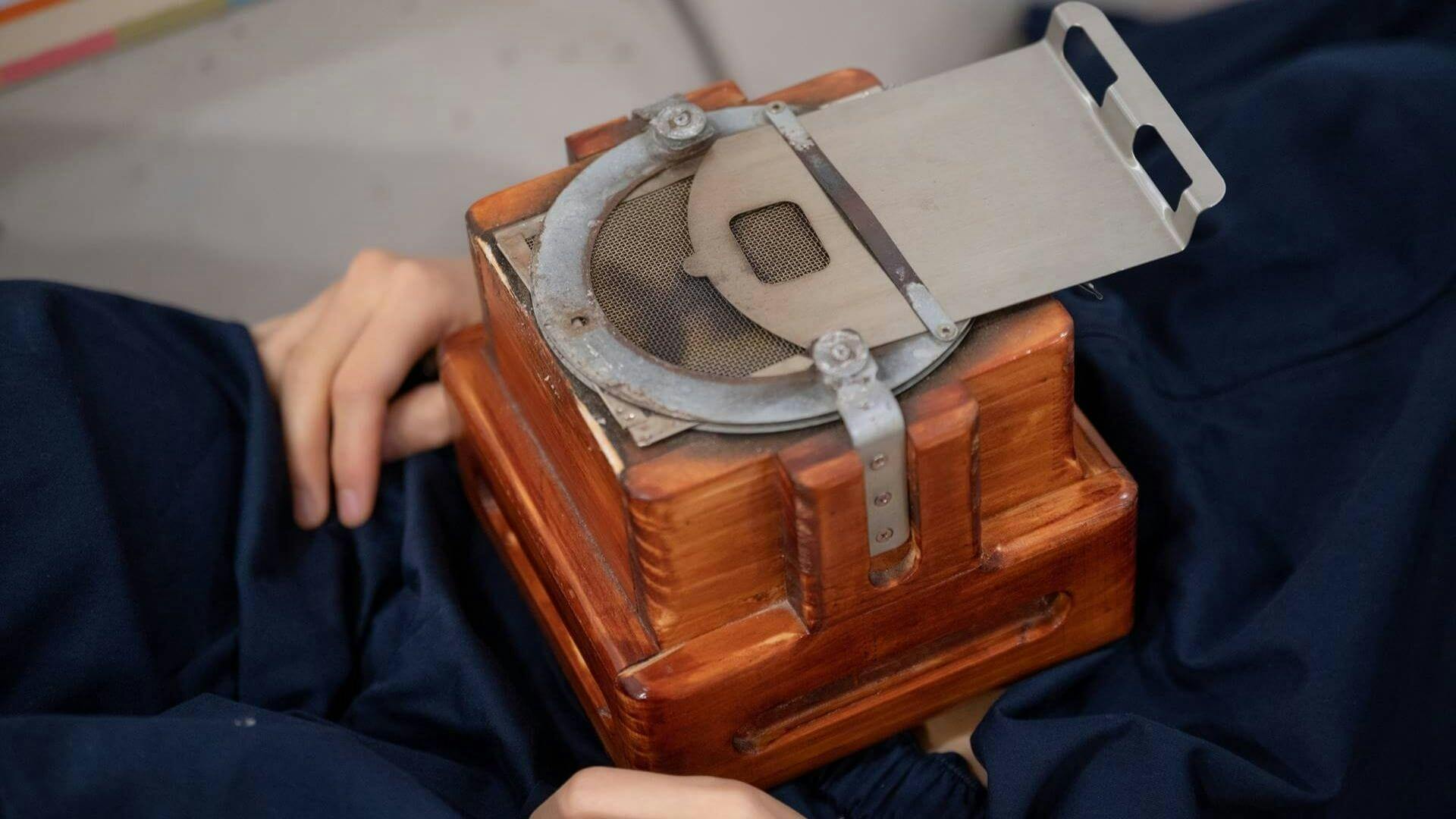
Tteum (뜸, Moxibustion) is a representative Korean thermal therapy that delivers heat stimulation to deep body layers, activating circulation and relieving coldness. In Korea, it's applied to various conditions, including cold hands and feet, cold-related pain, menstrual cramps, indigestion, and anxiety disorders.
Unlike simple heat therapy like hot packs, moxibustion creates synergy by using the medicinal herb ‘mugwort.' When mugwort burns, it releases beneficial compounds that help expand capillaries (tiny blood vessels), boosting circulation and helping eliminate toxins. This benefits people with cold extremities, poor circulation, or those prone to swelling and numbness due to reduced vascular elasticity. In other words, moxibustion is a natural healing therapy that strengthens vascular and circulatory function while boosting overall metabolism and immunity.
Especially in winter, moxibustion on the abdomen and kidney area strengthens the digestive and circulatory systems while raising body heat. 🔥
3️⃣ Acupuncture and Cupping Treatment
Acupuncture regulates the balance of the autonomic nervous system to prevent excessive vascular constriction. At the same time, Buhang (부항, cupping) removes stagnant blood from muscles, improving peripheral circulation.
Loosening tight shoulders, back, and leg muscles reduces strain on your heart and circulation—helping ease winter headaches, dizziness, and numbness.
=
Winter's cold air acts not just as simple discomfort but as a powerful stress factor that constricts blood vessels and can trigger health problems.
However, by understanding today's content and combining lifestyle management with Korean medicine treatments, you can support blood pressure and circulation management for a much healthier winter!
I'll return with other interesting stories next time. Thank you for reading this long article. 🌟


